Lithium & Lithium-ion Battery Differences
What is the difference between Lithium and Lithium-ion batteries?
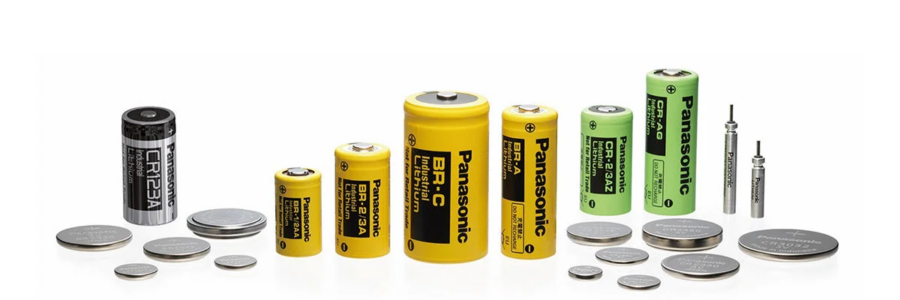
Lithium batteries are known as single-use batteries. Some common devices that use them now include torches, television remote controls, gaming controllers, smoke alarms and digital cameras.
It is important to note lithium batteries are not rechargeable. You need to replace them with a new battery when they run out of charge.
Replacements can usually be found in stores alongside regular single use batteries in similar sizes like AA, AAA, C, D or 9v batteries. They can also be found as ‘button’ style batteries such as CR2032 or A76/LR44 used in watches, heart rate monitors or memory backup power supply in computers.
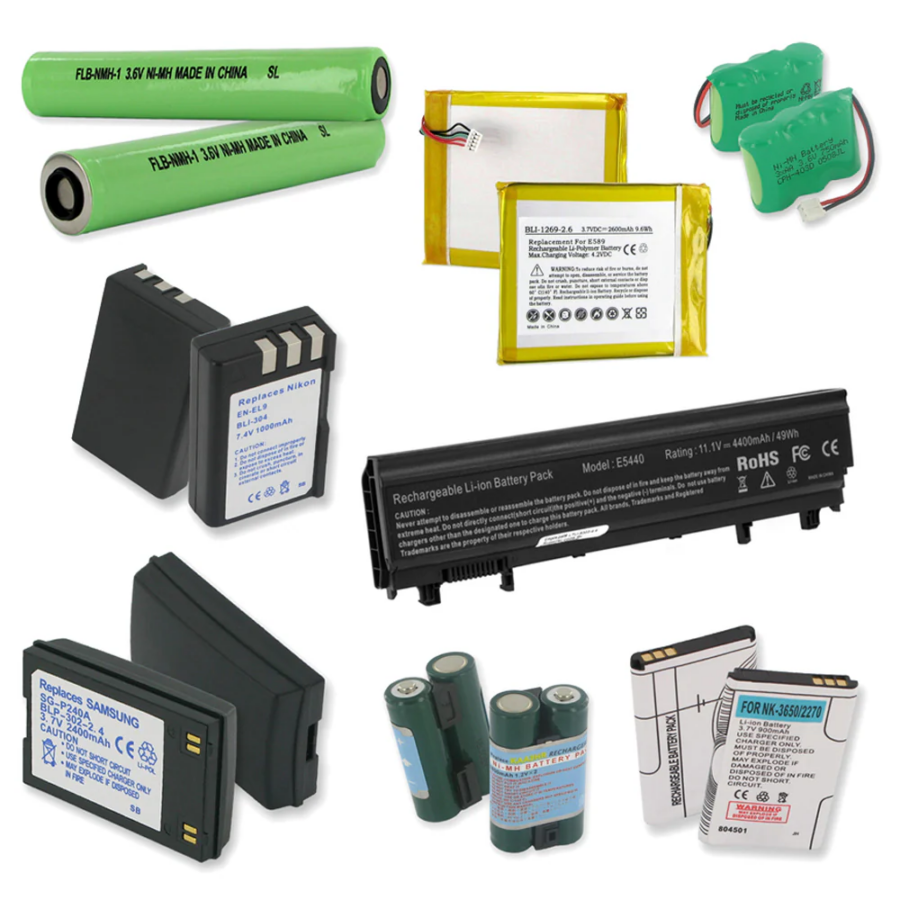
Lithium-ion batteries, also known as Li-ion batteries, are commonly used to power devices such as phones, tablets, power banks, laptop computers, toys, appliances and power tools, as well as mobility equipment, e-bikes, e-scooters and even electric cars.
Lithium-ion batteries are rechargeable using a separate charger unit or one inbuilt into the appliance or equipment.
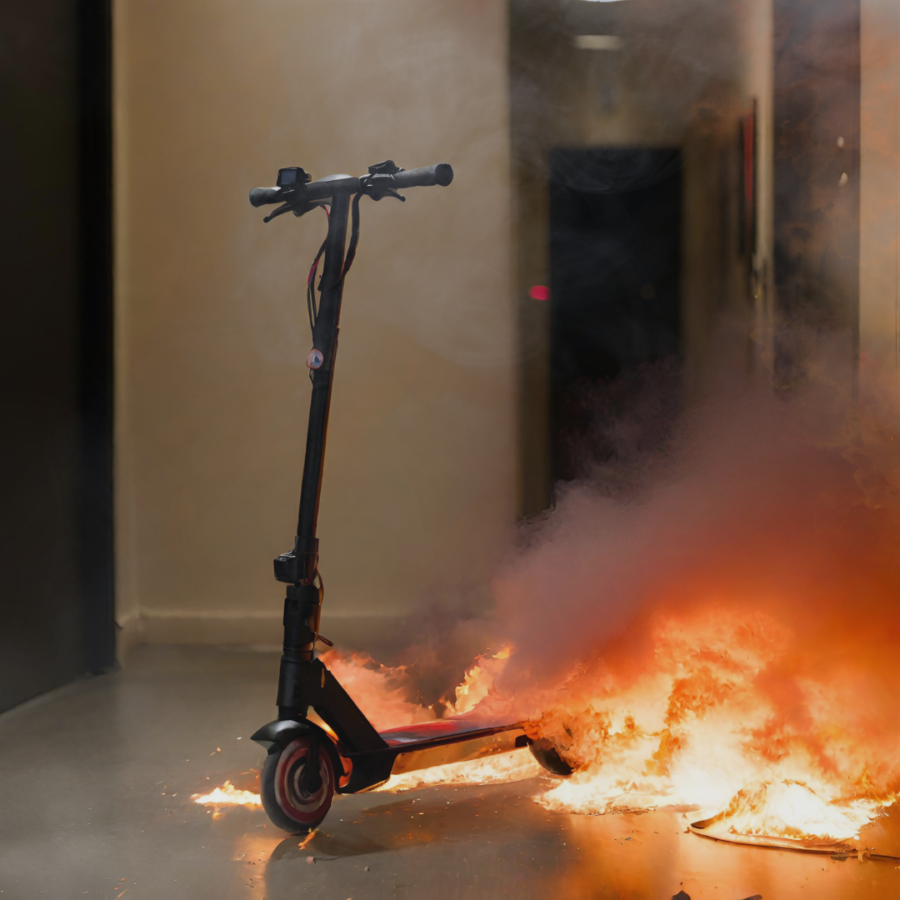
They do pose a higher risk of fire than other types and are a growing cause of house fires.
Some common causes of lithium-ion battery fires include:
- Using a charger or charging cable that was not designed for the device or battery.
- Using the battery in a device it was not designed for.
- The battery being cracked, dented, punctured, crushed or exposed to overheating.
- Exposure to fresh or salt water for a long time, causing corrosion within the battery.
Some Safety Tips
- Avoid charging batteries or devices overnight.
- Avoid leaving batteries or devices unattended while they are on charge.
- Only plug in one device per outlet, and always keep power boards and cables neat and tidy.
- Don’t use battery charging devices with worn or damaged cables.
- Always ensure the battery charger is switched off from the electrical power supply before connecting the batteries. This will minimize the risk of shock and sparking while connecting the batteries.
- Do not leave devices such as phones, computers or charging devices in direct sunlight or in parked vehicles where they can quickly heat up.
- Larger batteries and equipment such as power tools and especially electric bikes, scooters or skateboards should be charged in the garage, shed or carport away from living spaces.
For information about disposal of Lithium and Lithium-ion batteries and what to do in the event of a fire, visit cfa.vic.gov.au/plan-prepare/fires-in-the-home/charging-and-battery-safety