Categories
Fire Awareness & Safety

Lithium And Lithium-ion Batteries

Lithium & Lithium-ion Battery Differences

What is the difference between Lithium and Lithium-ion batteries?

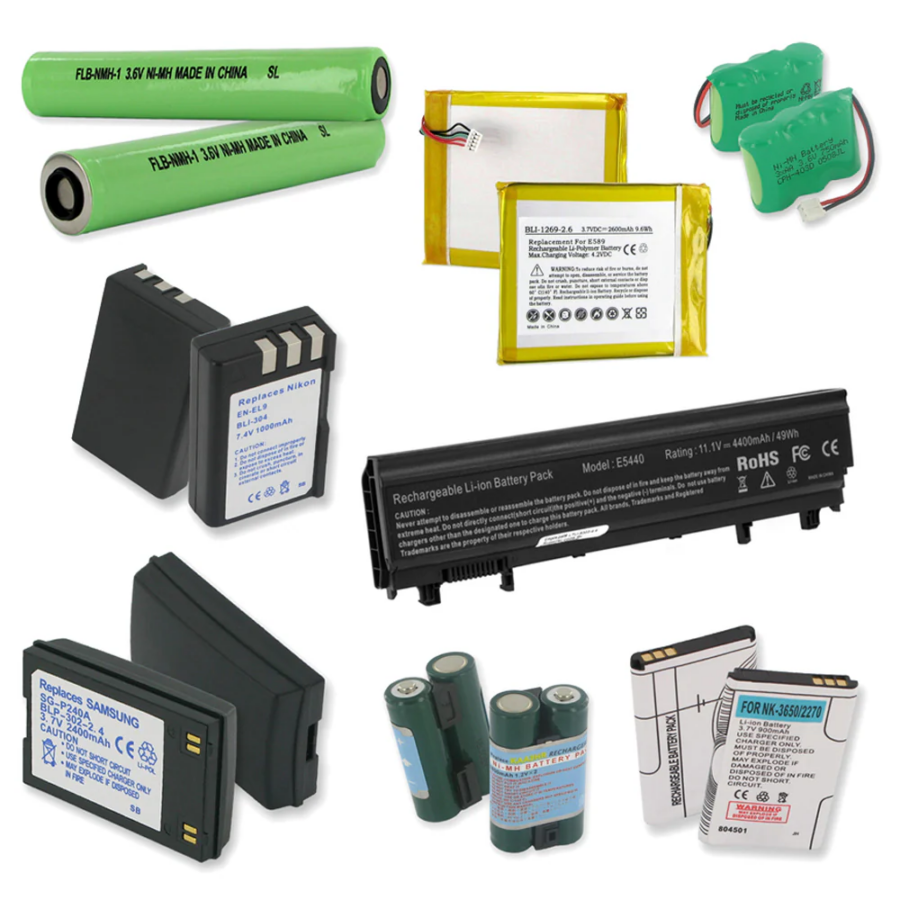
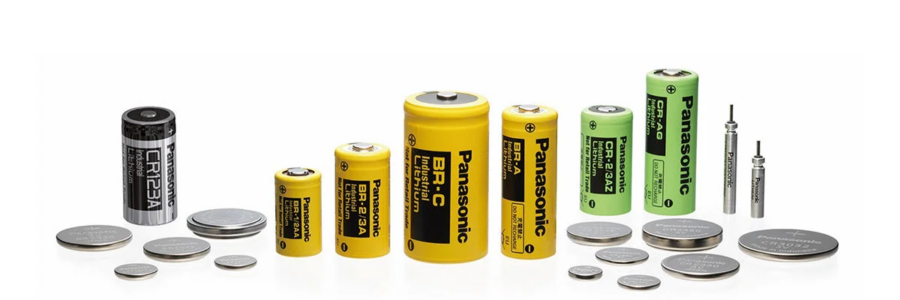
Lithium batteries are known as single-use batteries. Some common devices that use them now include torches, television remote controls, gaming controllers, smoke alarms and digital cameras.

It is important to note lithium batteries are not rechargeable. You need to replace them with a new battery when they run out of charge.

Replacements can usually be found in stores alongside regular single use batteries in similar sizes like AA, AAA, C, D or 9v batteries. They can also be found as ‘button’ style batteries such as CR2032 or A76/LR44 used in watches, heart rate monitors or memory backup power supply in computers.

Lithium-ion batteries, also known as Li-ion batteries, are commonly used to power devices such as phones, tablets, power banks, laptop computers, toys, appliances and power tools, as well as mobility equipment, e-bikes, e-scooters and even electric cars.

Lithium-ion batteries are rechargeable using a separate charger unit or one inbuilt into the appliance or equipment.

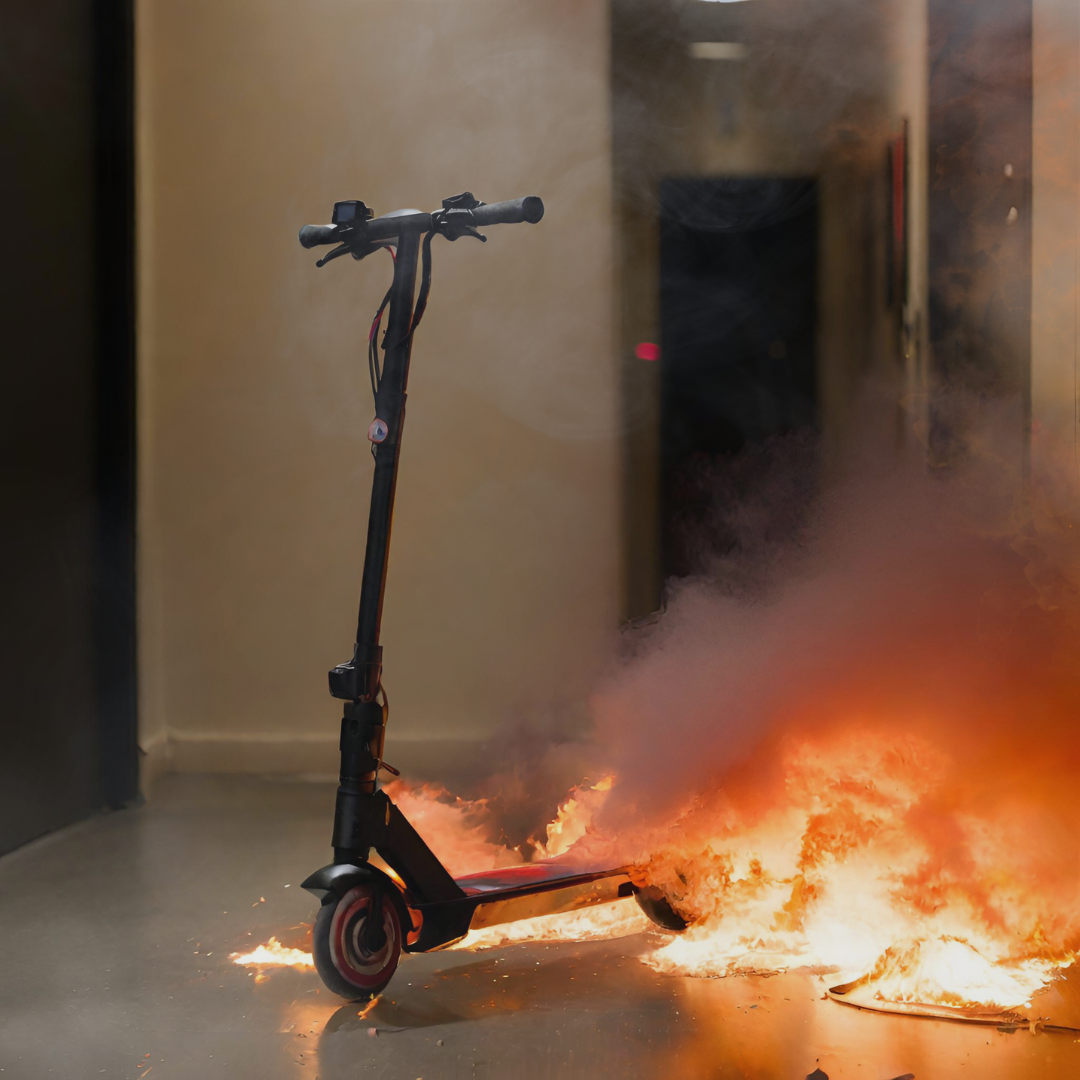
They do pose a higher risk of fire than other types and are a growing cause of house fires.

Some common causes of lithium-ion battery fires include:

  • Using a charger or charging cable that was not designed for the device or battery.
  • Using the battery in a device it was not designed for.
  • The battery being cracked, dented, punctured, crushed or exposed to overheating.
  • Exposure to fresh or salt water for a long time, causing corrosion within the battery.

Some Safety Tips

  • Avoid charging batteries or devices overnight.
  • Avoid leaving batteries or devices unattended while they are on charge.
  • Only plug in one device per outlet, and always keep power boards and cables neat and tidy.
  • Don’t use battery charging devices with worn or damaged cables.
  • Always ensure the battery charger is switched off from the electrical power supply before connecting the batteries. This will minimize the risk of shock and sparking while connecting the batteries.
  • Do not leave devices such as phones, computers or charging devices in direct sunlight or in parked vehicles where they can quickly heat up.
  • Larger batteries and equipment such as power tools and especially electric bikes, scooters or skateboards should be charged in the garage, shed or carport away from living spaces.

For information about disposal of Lithium and Lithium-ion batteries and what to do in the event of a fire, visit cfa.vic.gov.au/plan-prepare/fires-in-the-home/charging-and-battery-safety
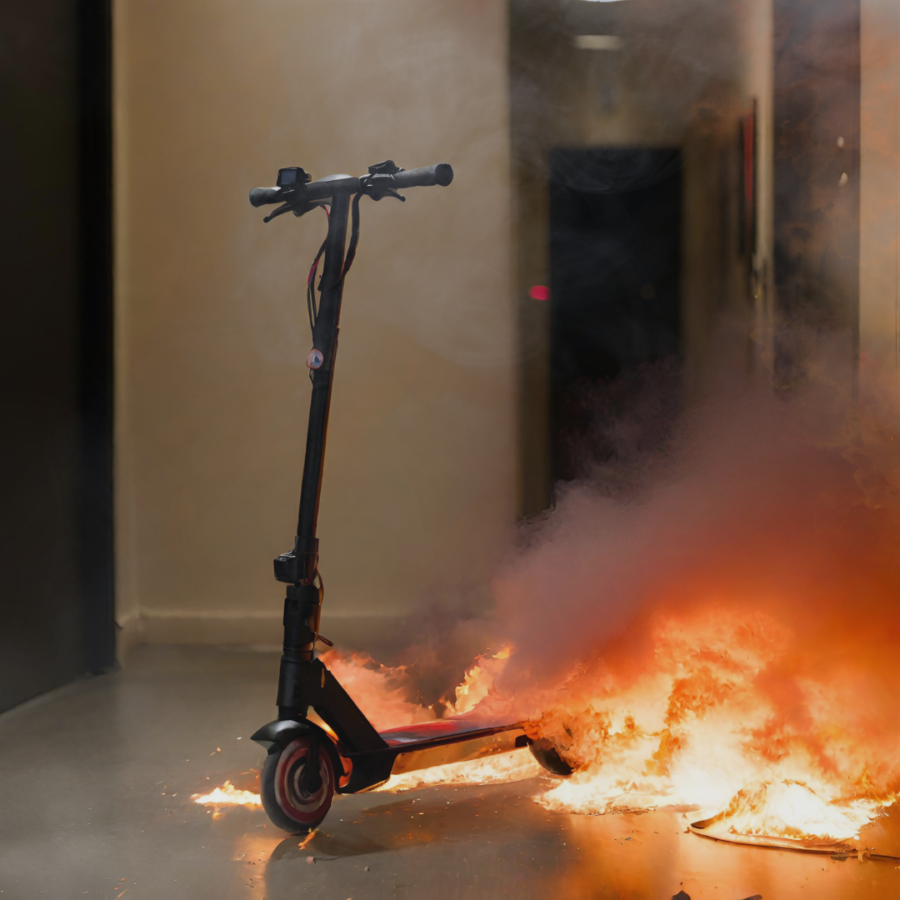
e-scooter fire
Categories
Fire Awareness & Safety

Total Fire Ban 17 February 2026

Total Fire Ban 17th February 2026

Total Fire Ban

TOTAL FIRE BAN DECLARED

AFDR Extreme

Tuesday 17 February 2026 has been declared a day of Total Fire Ban for the whole State of Victoria.

No fires can be lit or be allowed to remain alight in the open air from 12:01 AM Tuesday 17 February 2026 until 11:59 PM Tuesday 17 February 2026.

This includes the Upwey area and surrounding areas.

For details on what you can and can’t do on days of Total Fire Ban, visit: Can I, Can’t I

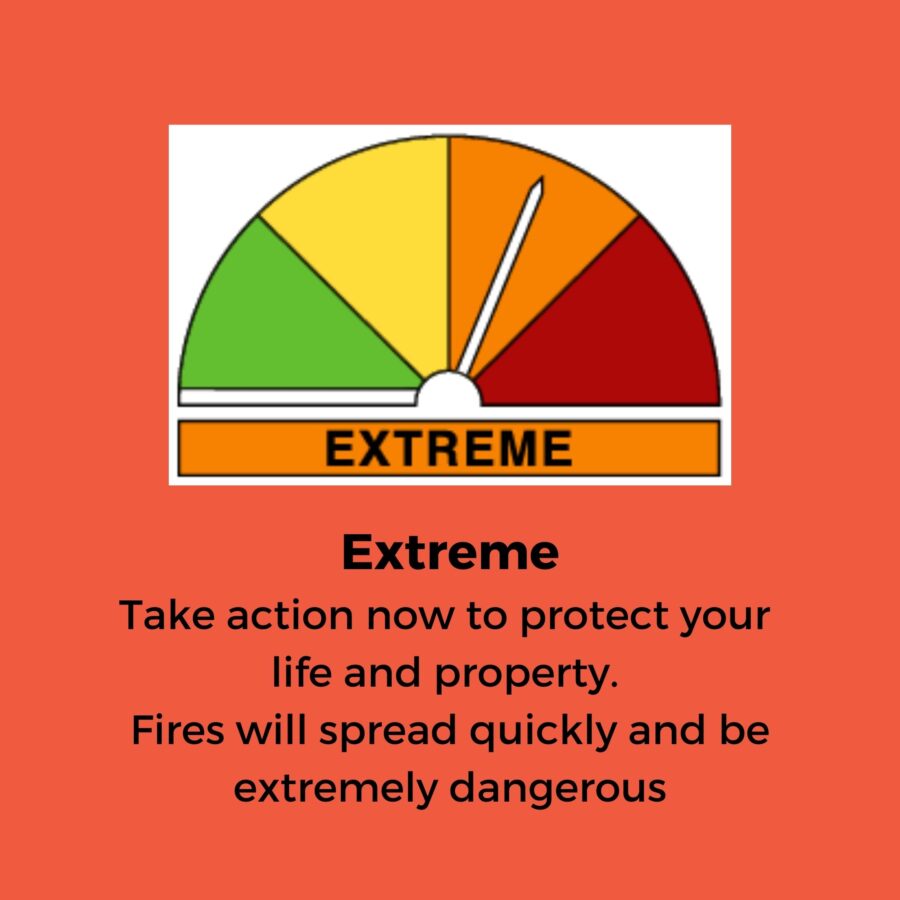
Extreme Fire Danger Rating issued for Tuesday 17 February 2026

  • Check your bushfire plan and that your property is fire ready.
  • If a fire starts, take immediate action. If you and your property are not prepared to the highest level, go to a safer location well before the fire impacts.
  • Reconsider travel through bushfire risk areas.
  • Leaving bushfire risk areas early in the day is your safest option.

More about what Fire Danger Ratings mean: Australian Fire Danger Ratings

Categories
Fire Awareness & Safety News

Total Fire Ban 11 February 2026

Total Fire Ban 11th February 2026

Total Fire Ban

TOTAL FIRE BAN DECLARED

AFDR Extreme

Wednesday 11th Feb 2026 has been declared a day of Total Fire Ban in the Wimmera, North Central and CENTRAL (includes Melbourne and Geelong) district(s) of Victoria.

No fires can be lit or be allowed to remain alight in the open air from 12:01 AM on Wednesday 11th Feb 2026 until 11:59 PM Wednesday 11th Feb 2026.

This includes the Upwey area and surrounding areas.

For details on what you can and can’t do on days of Total Fire Ban, visit: Can I, Can’t I

Extreme Fire Danger Rating issued for Wednesday 11th February 2026

  • Check your bushfire plan and that your property is fire ready.
  • If a fire starts, take immediate action. If you and your property are not prepared to the highest level, go to a safer location well before the fire impacts.
  • Reconsider travel through bushfire risk areas.
  • Leaving bushfire risk areas early in the day is your safest option.

More about what Fire Danger Ratings mean: Australian Fire Danger Ratings

Categories
Fire Awareness & Safety News

Total Fire Ban 4 February 2026

Total Fire Ban 4th February 2026

Total Fire Ban

TOTAL FIRE BAN DECLARED

AFDR Extreme

Wednesday 4th Feb 2026 has been declared a day of Total Fire Ban in the Wimmera, North Central and CENTRAL (includes Melbourne and Geelong) district(s) of Victoria.

No fires can be lit or be allowed to remain alight in the open air from 12:01 AM on Wednesday 4th Feb 2026 until 11:59 PM Wednesday 4th Feb 2026.

This includes the Upwey area and surrounding areas.

For details on what you can and can’t do on days of Total Fire Ban, visit: Can I, Can’t I

Extreme Fire Danger Rating issued for Wednesday 4th February 2026

  • Check your bushfire plan and that your property is fire ready.
  • If a fire starts, take immediate action. If you and your property are not prepared to the highest level, go to a safer location well before the fire impacts.
  • Reconsider travel through bushfire risk areas.
  • Leaving bushfire risk areas early in the day is your safest option.

More about what Fire Danger Ratings mean: Australian Fire Danger Ratings

Categories
Brigade Activities Events Fire Awareness & Safety

Street Meets 2026

Community Street Meet 2026

Are You Bushfire Ready? What Are The Local Risks?

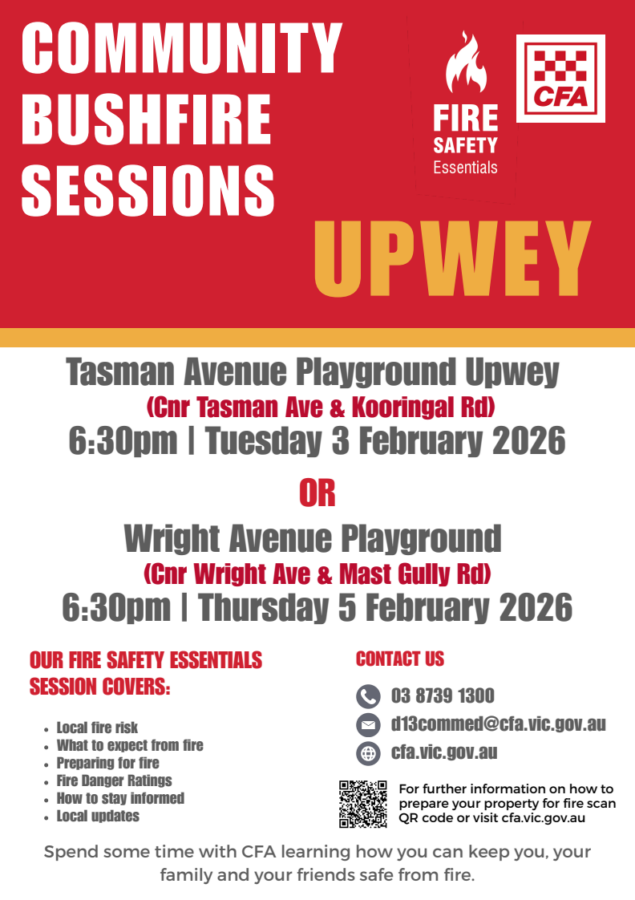
Join us for our Community Bushfire Street Information Sessions.

Meet your local fire fighters and learn first hand about the local risks, how to stay safe in the event of a bushfire, what the fire danger ratings really mean and more.

There will be lots of important information for new residents of Upwey, including fire history and behaviour in our local area.

Tasman Avenue playground Tuesday 3rd February @ 6:30pm

Wright Avenue playground Thursday 5th February @ 6:30pm

No registration or prebooking required.

Upwey CFA Street meets 2026
Categories
Fire Awareness & Safety

Total Fire Ban 27 January 2026

Total Fire Ban 27th January 2026

Total Fire Ban

TOTAL FIRE BAN DECLARED

AFDR Extreme

Tuesday 27th January 2026 has been declared a day of Total Fire Ban for the whole State of Victoria.

No fires can be lit or be allowed to remain alight in the open air from 12:01 AM Tuesday 27th January 2026 until 11:59 PM Tuesday 27th January 2026.

This includes the Upwey area and surrounding areas.

For details on what you can and can’t do on days of Total Fire Ban, visit: Can I, Can’t I

Extreme Fire Danger Rating issued for Tuesday 27th January 2026

  • Check your bushfire plan and that your property is fire ready.
  • If a fire starts, take immediate action. If you and your property are not prepared to the highest level, go to a safer location well before the fire impacts.
  • Reconsider travel through bushfire risk areas.
  • Leaving bushfire risk areas early in the day is your safest option.

More about what Fire Danger Ratings mean: Australian Fire Danger Ratings

Categories
Fire Awareness & Safety

Total Fire Ban 24 January 2026

Total Fire Ban 24th January 2026

Total Fire Ban

TOTAL FIRE BAN DECLARED

High Fire Danger Rating

Saturday 24th January 2026 has been declared a day of Total Fire Ban for the whole State of Victoria.

No fires can be lit or be allowed to remain alight in the open air from 12:01 AM Saturday 24th January 2026 until 11:59 PM Saturday 24th January 2026.

This includes the Upwey area and surrounding areas.

For details on what you can and can’t do on days of Total Fire Ban, visit: Can I, Can’t I

High Fire Danger Rating issued for Saturday 24th January 2026

  • There’s a heightened risk. Be alert for fires in your area.
  • Decide what you will do if a fire starts.
  • If a fire starts, your life and property may be at risk.
  • The safest option is to avoid bushfire risk areas.

More about what Fire Danger Ratings mean: Australian Fire Danger Ratings

Categories
Fire Awareness & Safety

Total Fire Ban 10 January 2026

Total Fire Ban 10th January 2026

TOTAL FIRE BAN DECLARED

Saturday 10th January 2026 has been declared a day of Total Fire Ban for the whole State of Victoria.

No fires can be lit or be allowed to remain alight in the open air from 12:01 AM Saturday 10th January 2026 until 11:59 PM Saturday 10th January 2026.

This includes the Upwey area and surrounding areas.

For details on what you can and can’t do on days of Total Fire Ban, visit: Can I, Can’t I

Total Fire Ban
Categories
Fire Awareness & Safety

FDR High 10 January 2026

HIGH FDR

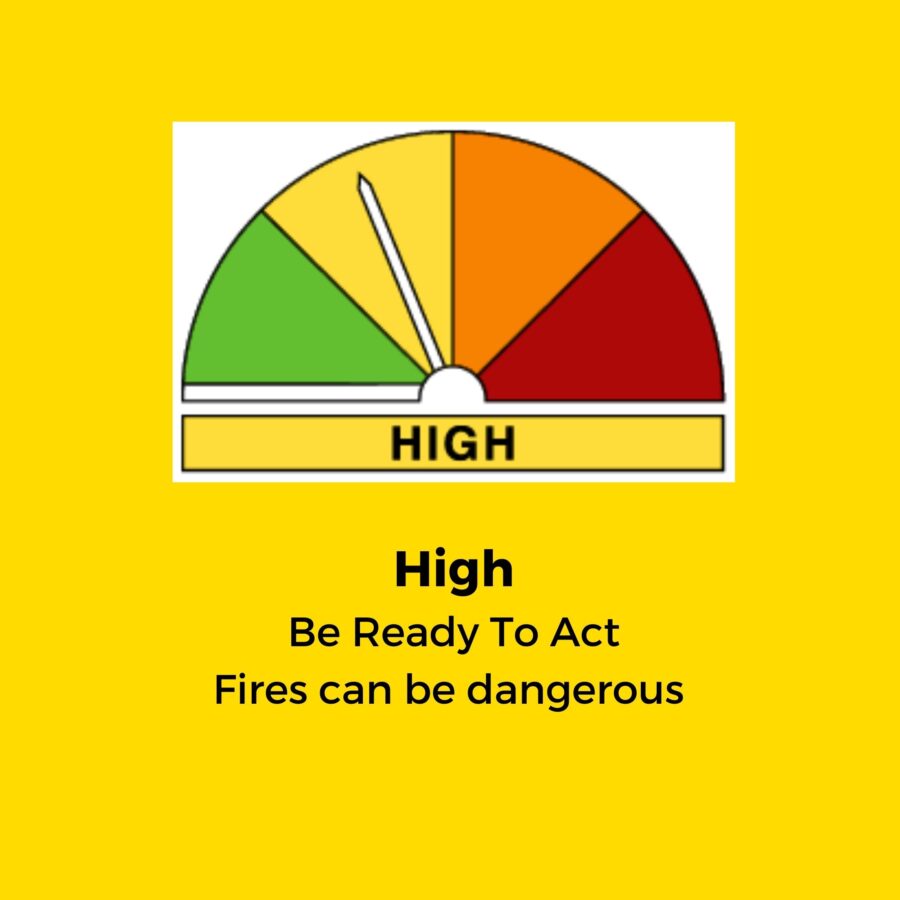
A HIGH Fire Danger Rating Issued

A HIGH FIRE DANGER RATING has been issued for SATURDAY 10TH JANUARY 2026  across the state of Victoria.

Be ready to act.

For more information about the Fire Danger Ratings and what they mean to you, visit https://upweycfa.org.au/australian-fire-danger-ratings/

Categories
Fire Awareness & Safety

Total Fire Ban 9 January 2026

Total Fire Ban 9th January 2026

TOTAL FIRE BAN DECLARED

Friday 9th January 2026 has been declared a day of Total Fire Ban for the whole State of Victoria.

No fires can be lit or be allowed to remain alight in the open air from 12:01 AM on Fri, 9 Jan 2026 until 11:59 PM Fri, 9 Jan 2026.

This includes the Upwey area and surrounding areas.

For details on what you can and can’t do on days of Total Fire Ban, visit: Can I, Can’t I

Total Fire Ban

EXTREME FIRE DANGER RATING

An EXTREME Fire Danger Rating has been issued for Central District Friday 9th January 2026. This includes the Upwey and surrounding areas.

Fires that start in these conditions can be uncontrollable and unpredictable. Leaving early is the safest option. 

CFA advises leaving the night before or early in the morning of an Extreme day. Not when you can see flames or smoke, so you avoid panic, being trapped, or having to make rushed decisions that put lives at risk.

Please plan ahead and leave early if you can. Your safety and your family’s safety matter most.


Implement your fire plan. If you plan to leave LEAVE EARLY.

To understand what Fire Danger Ratings mean, visit: About Fire Danger Ratings

AFDR Extreme